Museum programming in the US has been branching out recently, much of it in the direction of connecting art to health and wellbeing. As part of this trend, institutions have been creating programmes for people living with memory loss. But these present unique challenges, particularly when it comes to evaluating their success.
The qualitative data from a caregiver's perspective does not necessarily include the point-of-view of the person struggling with cognitive decline. This is why institutions like Seattle’s Frye Art Museum try to do a lot of in-the-moment observations and feedback rather than relying exclusively on formal surveys.
The Frye is at the forefront of art and health initiatives. Each quarter, the museum offers a special programme for medical residents, students and teaching professionals from nearby hospitals, designed to develop perspective-taking and empathy. Meanwhile the museum recently expanded its Creative Aging initiative, gallery-based experiences and hands-on artmaking in partnership with the University of Washington's Memory and Brain Wellness Center.
Located in Seattle’s First Hill neighbourhood and surrounded by medical centres and senior living facilities, the Frye has served older adults experiencing memory loss for 17 years. Its Creative Aging programme began with a former employee’s experience caring for her mother with dementia, and has since expanded to reach broader communities of older adults.
The Frye's experience in the field highlights a broader challenge facing museums as arts-and-health programming expands. The Lancet medical journal recently published a call for translating growing evidence of the arts’ health benefits into more equitable access, stronger healthcare partnerships and research into how programmes work in practice. For museums, a big question is how to evaluate these initiatives while responding to community needs.
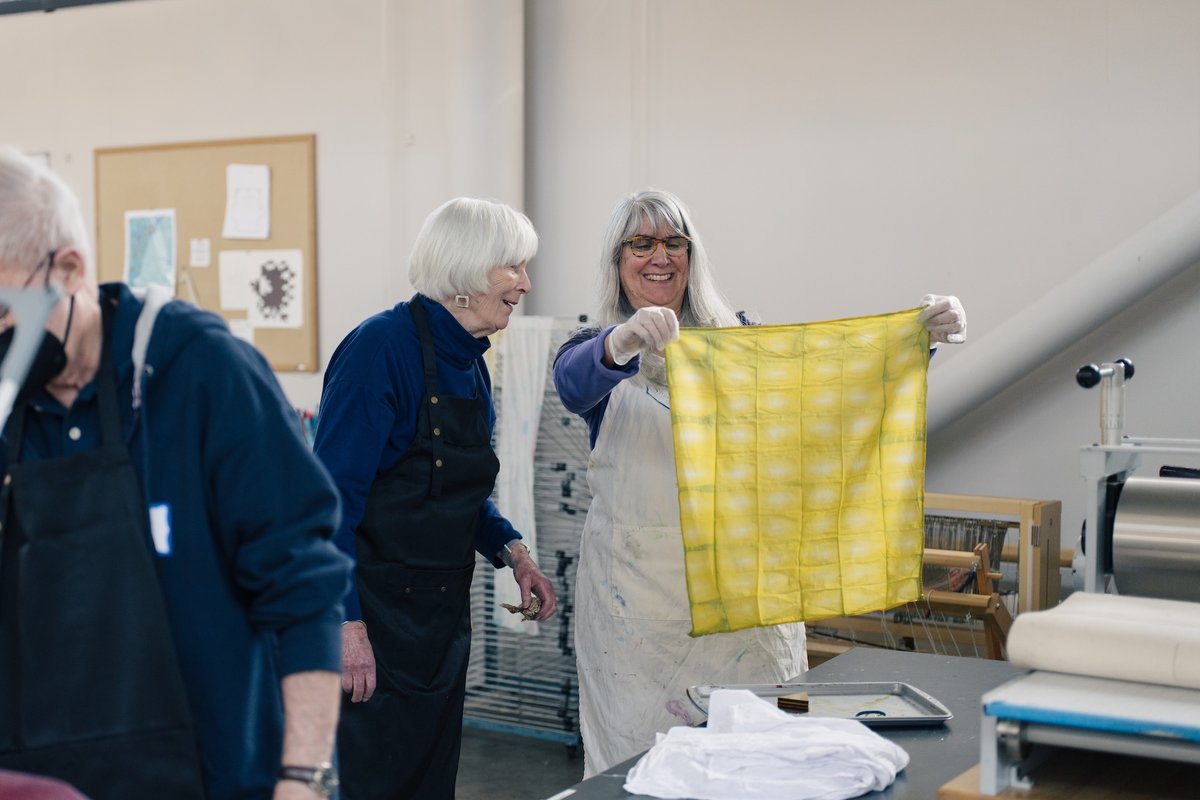
Participants at one of the Frye’s Creative Aging programmes Photo: Runyon Colie, courtesy the Frye Art Museum, Seattle
Susan Magsamen, the founder and executive director of the International Arts + Mind Lab at the Johns Hopkins University School of Medicine, sees this kind of programming as an opportunity for museums to expand their public roles. She describes art as “a superpower that we have forgotten” and museums as institutions that contribute to “human thriving and flourishing”.
Magsamen compares the growing integration of health and wellbeing into museum missions with the emergence of education as a core museum function in previous decades. “Beyond things like attendance, revenue and membership, we need to think about a scorecard,” she tells The Art Newspaper. “What is the institutional performance and public benefits?”
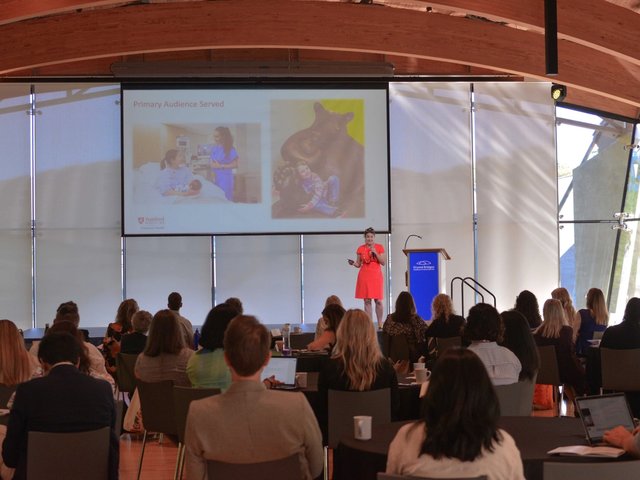
The Frye has been using the Art Bridges Foundation’s Art + Wellness Toolkit, which includes validated measures across four areas of wellbeing: social, emotional, cognitive and physical. The museum is currently evaluating four programmes, incorporating the toolkit's terminology into its materials and developing surveys using its standardised measures.
“This common language has been valuable as we grow programmes under art and wellbeing," says Lea Lovelace, the Frye’s associate director of creative aging programmes.
Jill Sonke, a co-author of the Lancet study, underscores the importance of measuring behavior and patterns of engagement, so that the most vulnerable can access the arts and their underlying health benefits. “Institutions need to also measure who’s not coming,” she says, “why they don’t see themselves in the programming.”
In the quickly developing field, Sonke cautions museum staff to move ahead carefully. Enthusiasm for evidence can create its own problems. If institutions set out primarily to prove that their programmes work, evaluation instruments can inadvertently be designed to confirm the outcome they hope to find. “We need to make sure that we’re designing objective, open measures that will allow us to really understand the experiences of the people we’re seeking to serve,” she says.
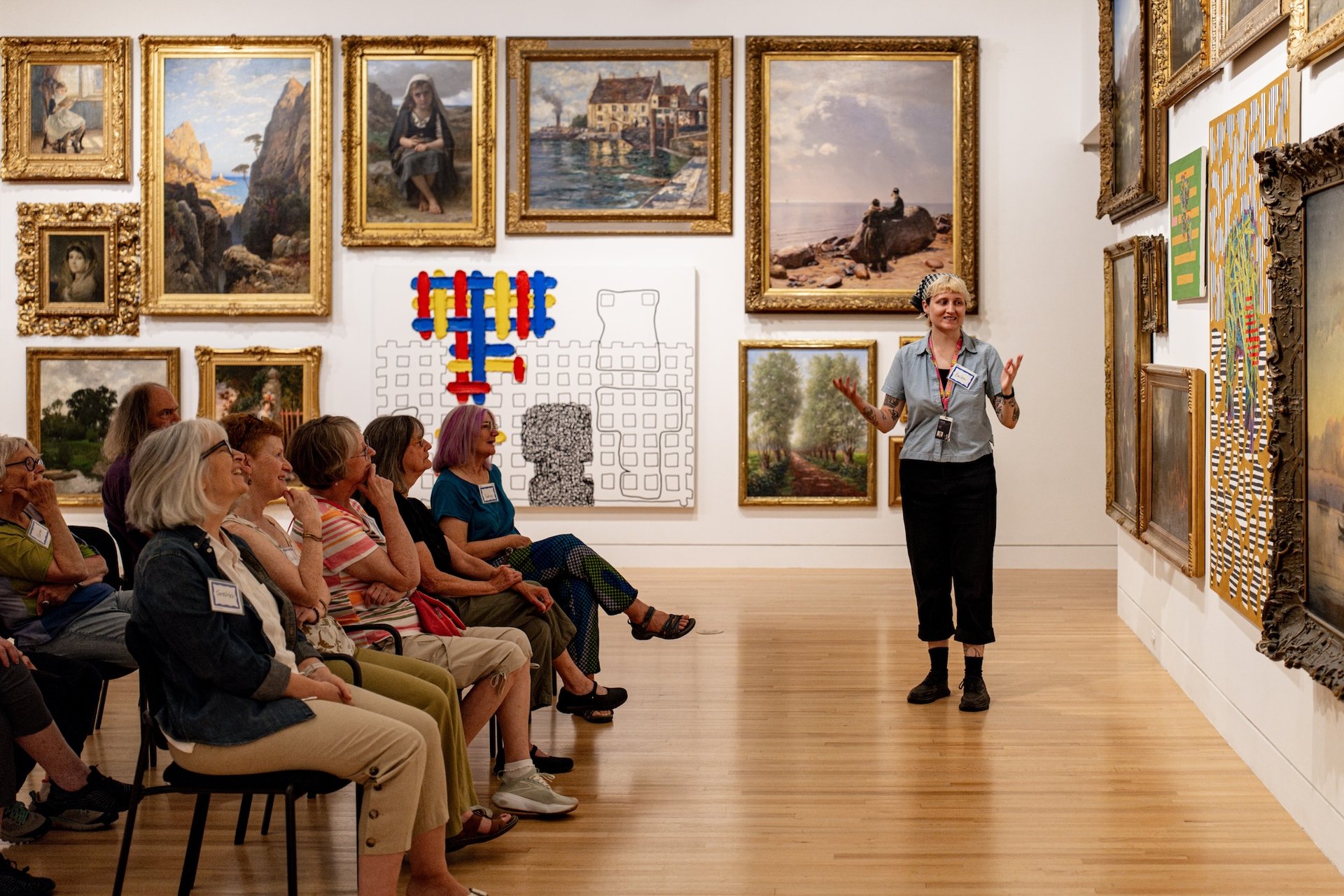
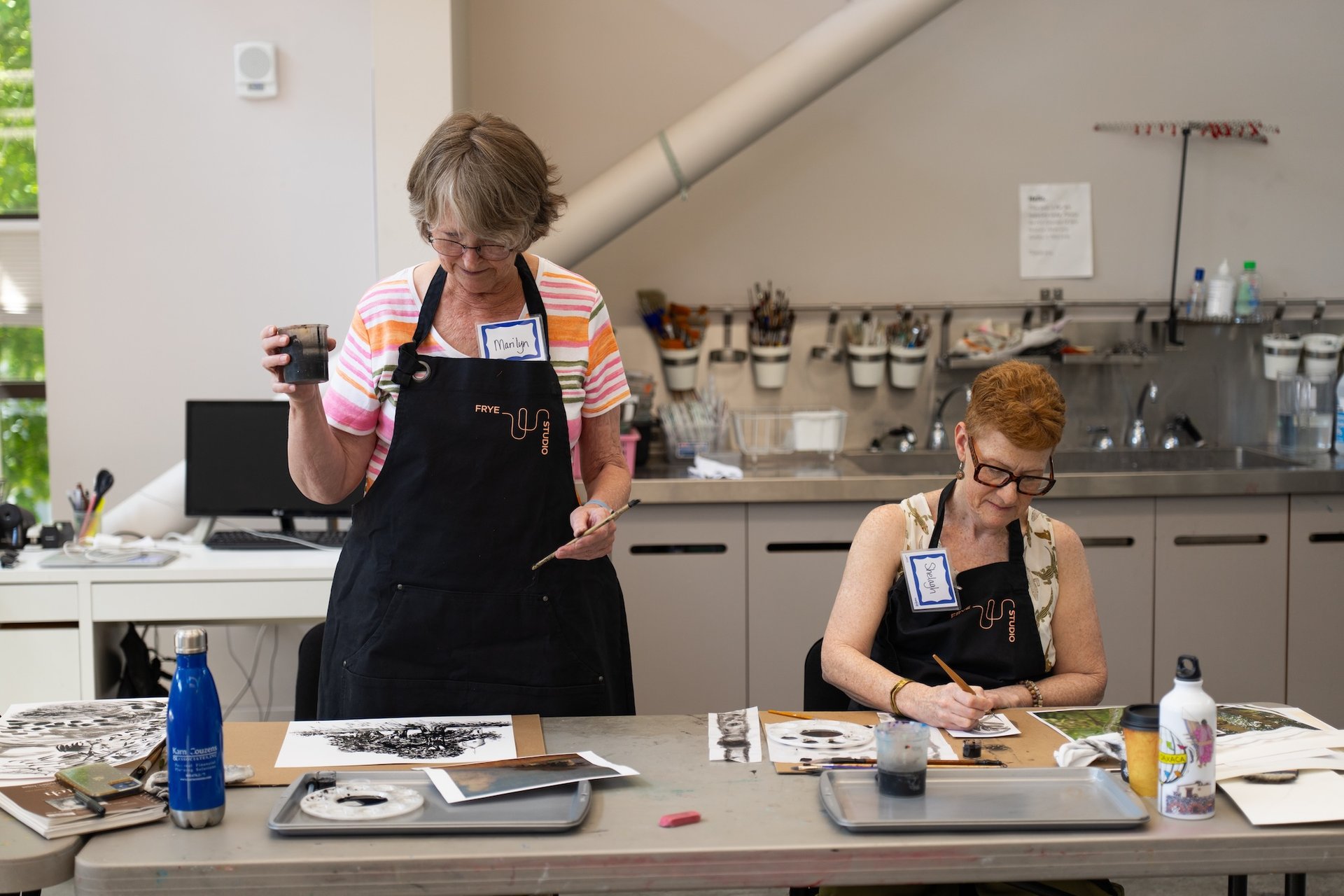
One of the Frye’s Creative Aging programmes Photo: Runyon Colie, courtesy the Frye Art Museum, Seattle
Sonke also questions whether additional assessment is always warranted: “If the evidence exists already, if it’s not really necessary, then it’s not ethical to put people through the burden of assessment."
The Frye has experienced these tensions firsthand. "It's a balancing act," says Tamar Benzikry, the museum’s director of learning and engagement. "We are careful about 'survey fatigue', because we realise you might not get the information requested because our audience is burnt out from surveys."
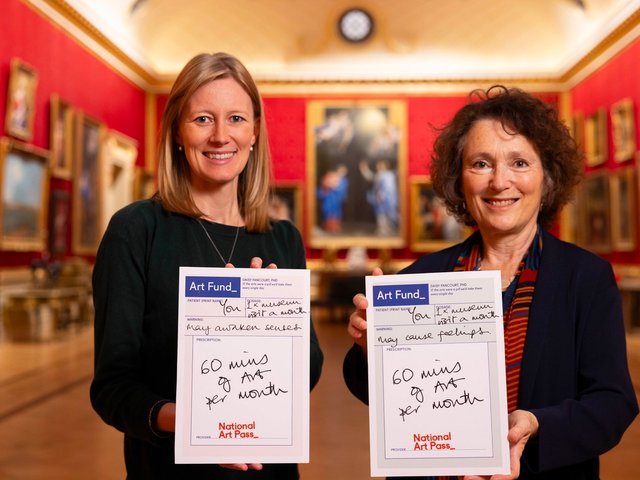
Sonke, despite her caution, underscores the importance of “making relationships and normalising the idea that museums should be talking to public health folks, and public health folks should absolutely be talking to museums”.
The Frye is always working with community leaders to identify barriers to participation and create programmes that strengthen connections between the museum, public health and healthcare. The team plans to share experiences at a convening of museum professionals next May, while incorporating arts and health more deeply into its 2027 exhibition programme.
Activities will include gallery-based creative movement inspired by works of art and led by a physician who is also a trained dancer. There are also plans for folklore-inspired slow-looking and storytelling sessions led by a professional storyteller with training in gerontology.