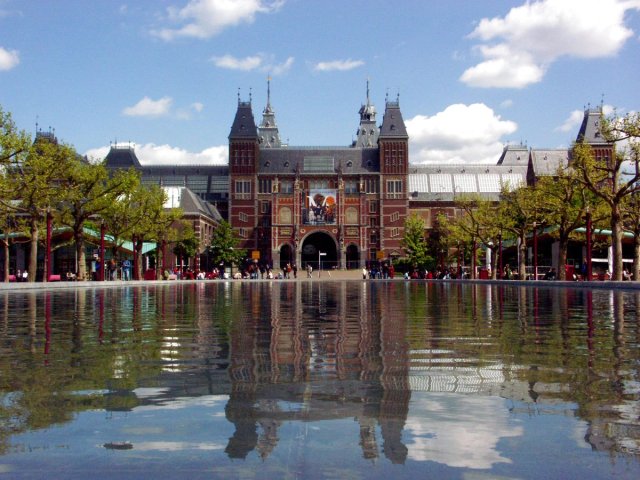
A collaboration between the Rijksmuseum in Amsterdam and the Museo Nacional del Prado in Madrid will investigate the forgotten influence of ruling women of Europe during the 16th century and their impact on art—which the curators are coining matronage, as opposed to patronage.
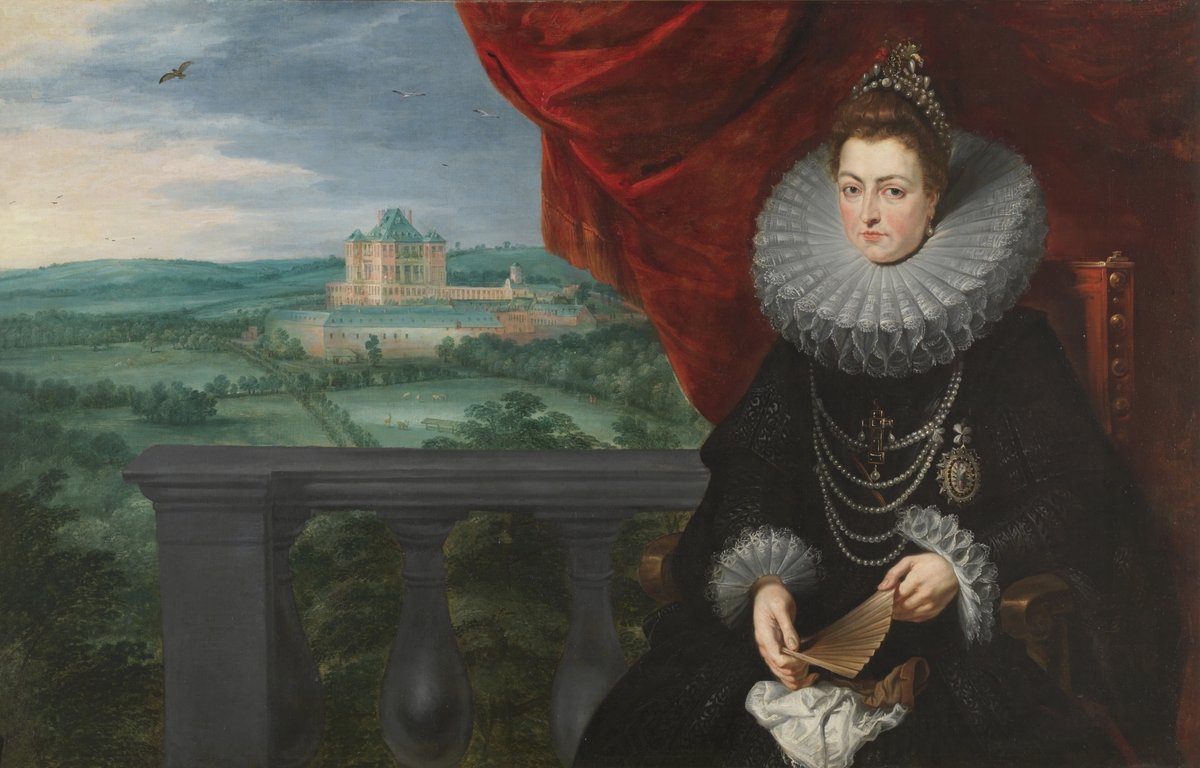
The Habsburg Empire, which encompassed countries including Spain and the Netherlands, was a time when female regents came to the fore. In the Netherlands, Margaret of Austria, Mary of Hungary and Margaret of Parma collectively reigned for almost 60 years, and their interaction with art and artists there will be investigated in an exhibition at the Rijksmuseum in 2029.
A fellowship programme, starting in September 2027, will give a researcher access to extensive archives in both museums, and the partnership will organise a series of expert meetings to further examine the impact of this unprecedented period of female power on art.
“Spain and the Netherlands share the history of the Habsburg Empire,” says Marion Anker, the co-chair of the “Women of the Rijksmuseum” project, which focusses on women in art. “It was such a huge empire that they needed representatives all over the place, and the [Roman] emperor, Charles V, and later King Philip II sent Habsburg women to the Netherlands, to the Low Countries, to govern in their names. So the Habsburg Empire and the shared history of Spain and the Netherlands is also full of powerful women.”
Largely unknown to the general public today, these women had a significant role as patrons of the arts, according to Noelia Garcia Pérez, the scientific director of “El Prado en femenino”, a project at the Madrid museum highlighting women as key figures within its collections. She says that Mary of Hungary, the governor of the Netherlands and the queen of Hungary and Bohemia, was particularly fascinating.
“When she died in 1558, François Richardot praised her extraordinary intelligence and ability to govern,” Garcia Pérez tells The Art Newspaper. “The contrast is striking: that same year, [the Scottish minister and theologian] John Knox had published his attack on female rule, which he considered contrary to nature and scripture.”
Mary of Hungary owned Titian’s Emperor Charles V at Mühlberg (1548) and commissioned his Four Furies (1548-49) for the great hall of her palace at Binche. “Imagine the impact: a widowed queen commissioning four enormous paintings of naked male bodies subjected to terrible punishments,” Garcia Pérez says. “These were more than decorative choices; they conveyed a warning about the consequences of defying imperial authority.”
The project will not only investigate how a woman like Mary shaped such an ambitious art programme—turning the tables on male rulers who preferred female naked bodies—but also how these powerful women consolidated their power by controlling their own image through art.
Showing status and independence through a portrait in a widow’s cap was one tactic, according to Anker. “We have a lot of questions about [the ruling women‘s] governing styles but also about how they were spinning the web,” she says. “They commissioned the best artists of their time, like Titian. But the way they put themselves on stage was quite different from their male colleagues.”
She adds: “I think we will make matronage one of the key words in the exhibition.”