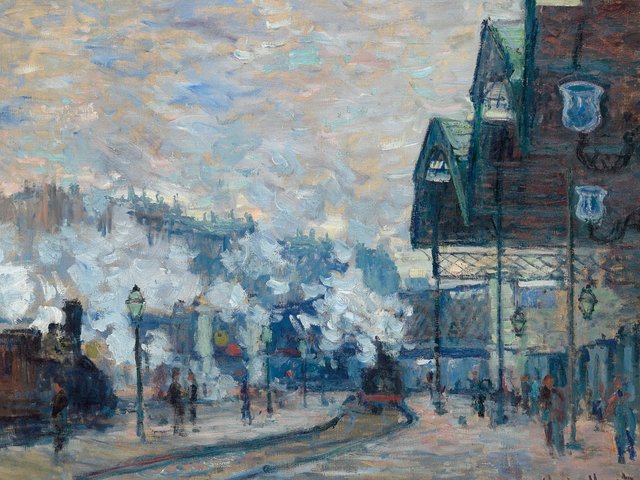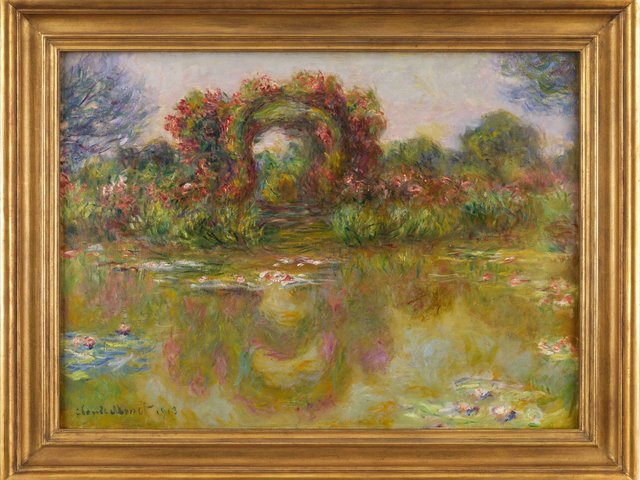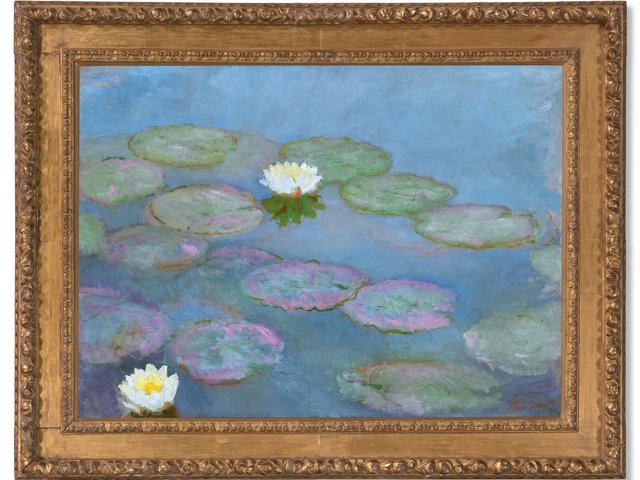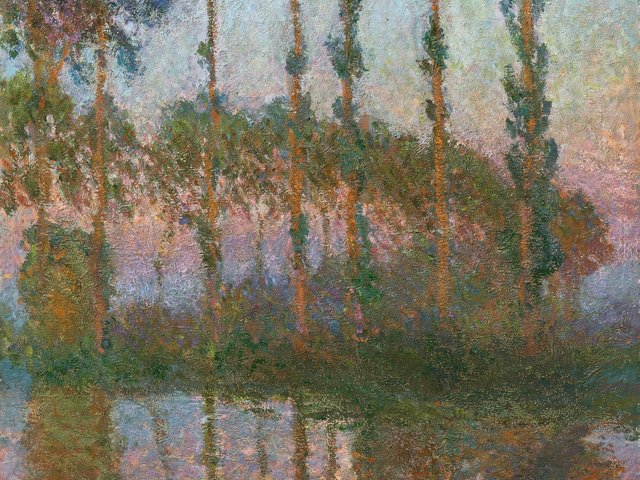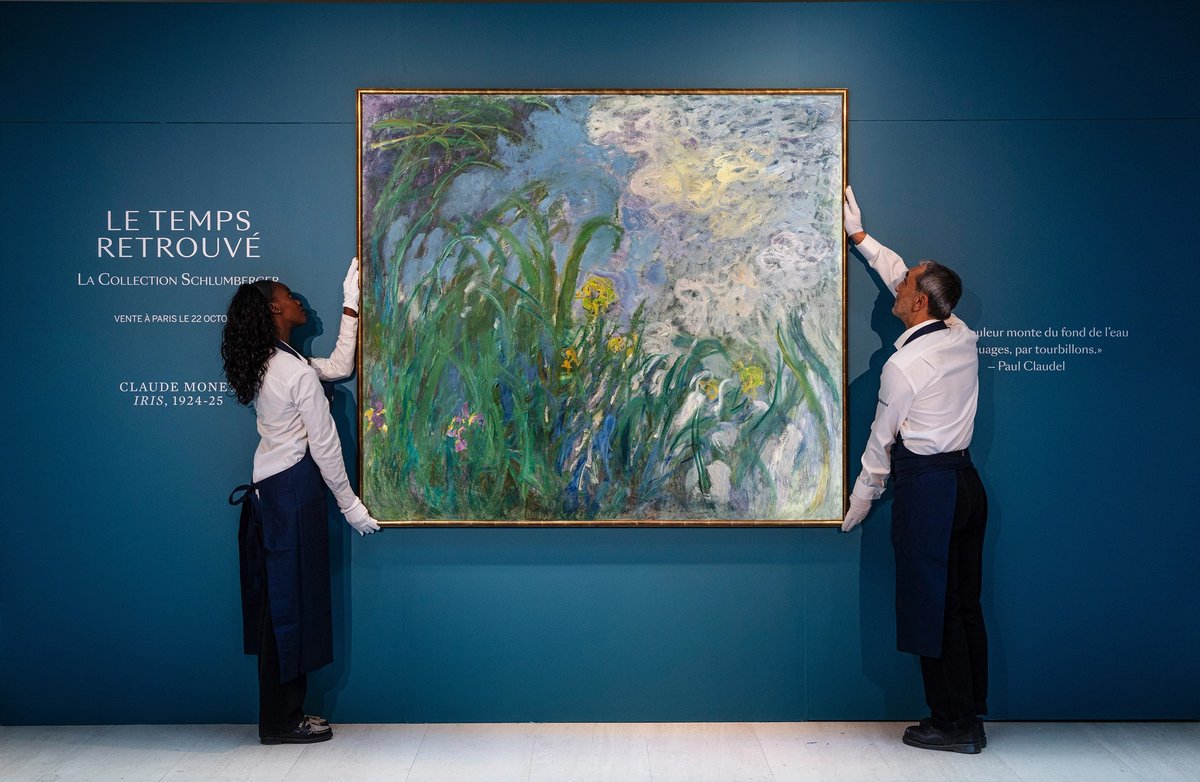
The sale of one of Claude Monet’s monumental Iris paintings at Sotheby’s in Paris next month could mark a watershed moment for the French auction market.
The canvas, executed in 1924-25 during the final years of the artist’s life, is the largest from his celebrated Iris series ever to come to market, measuring an unusual 160cm by 180cm. With an estimate of €22m to €30m, it is expected to set a record for the highest price paid for a painting at auction in France.
Iris, which has not been shown in public since it was created, forms part of a 28-lot sale from the collection of Jeanne Schlumberger, one of the heirs to the Schlumberger oil company who quietly amassed one of France’s most important collections of Impressionist and Modern art. The collection, consigned by the Schlumberger family (Jeanne died in 1983), is expected to fetch more than €40m in total when it goes under the hammer on 22 October.
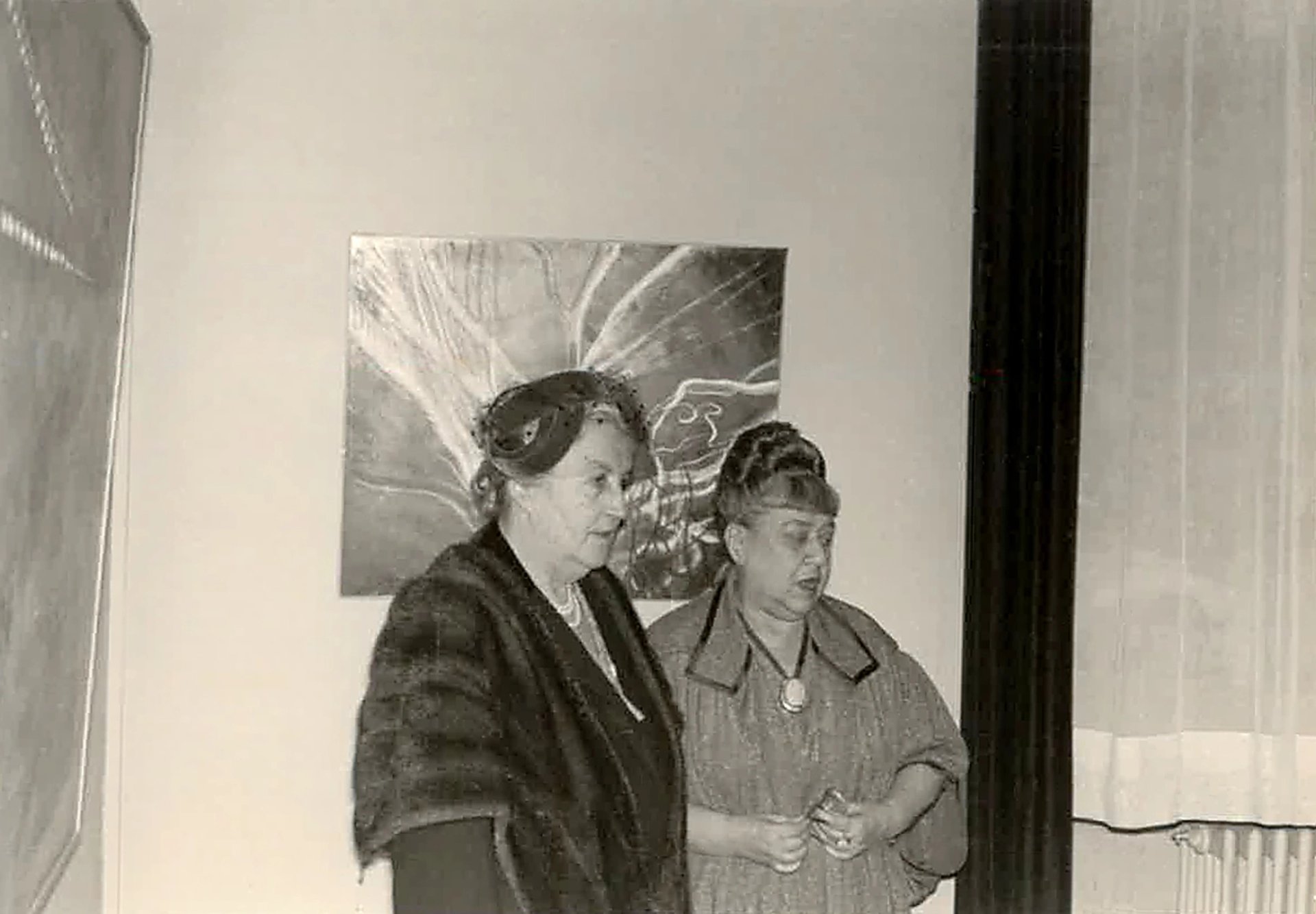
Jeanne Schlumberger and Katia Granoff Anonymous photographer. Courtesy of the Schlumberger Family Archives
Beginning in the 1950s, Schlumberger worked closely with the Parisian dealer Katia Granoff to build a collection that championed some of the more avant-garde styles and periods by artists including Paul Cézanne, Pierre Bonnard, Gustave Moreau, Chaïm Soutine and Georges Rouault. When it came to Monet, the two women saw something in his late works long before much of the art world did.
“Jeanne was pretty wild,” says Sotheby’s senior international specialist Thomas Bompard. “She had a visionary eye. She didn’t like classic Impressionism, she liked Soutine and she liked the monumental late Monets, which were considered the first abstract paintings with their very gestural and dramatic brushstrokes of pure colour.”
That taste was striking given the world in which Schlumberger moved. The family belonged to one of France’s great industrial dynasties, and their Paris home, an hôtel particulier (urban mansion) on rue Las-Cases, might have been expected to house more conventional trophies of wealth. Instead, Jeanne gravitated towards artists and works that challenged the prevailing canon.
“If you had met either Katia Granoff or Jeanne Schlumberger on the Rive Gauche in Paris in the 1960s, based on their outfits you might have guessed they were grand bourgeois women collecting Renoir, not prophets of abstract art,” Bompard says.
Granoff’s instinct for overlooked artists was matched by Schlumberger’s willingness to back her. Granoff brought access and expertise; Schlumberger provided confidence, patronage and the means to act on convictions that were not yet shared by the market.
In 1958, using her house as collateral, Schlumberger played a discreet but important role in financing Granoff’s acquisition of the studio holdings of Monet’s son Michel. The deal gave Granoff access to an extraordinary group of paintings from Monet’s final years at Giverny, at a moment when these works attracted little enthusiasm in France. Granoff nevertheless recognised their radical quality, placing important examples in US museums and private collections and helping to change the way Monet’s late career was understood.
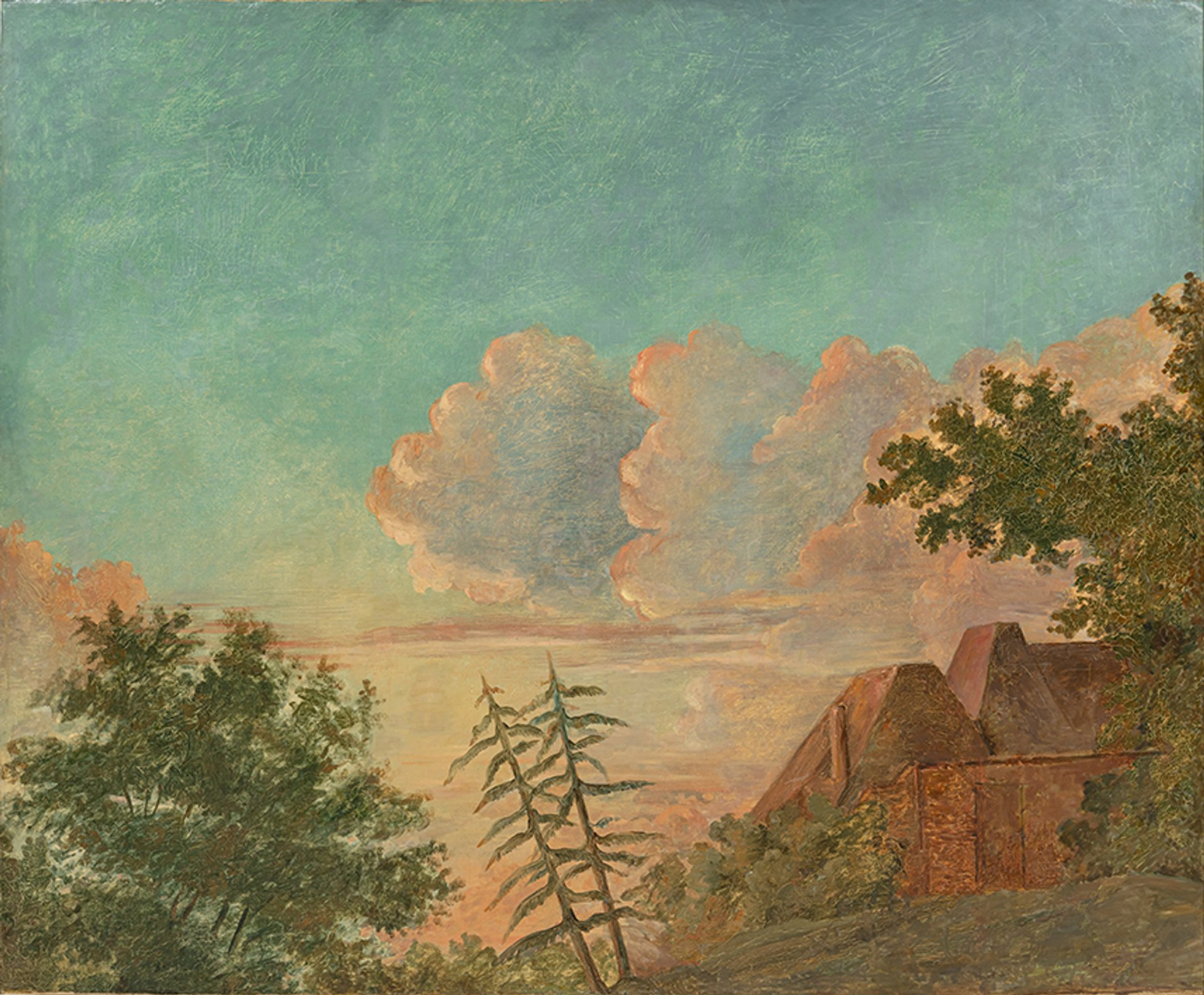
Paul Cézanne, La Ferme © Louis Blancard, Blok Design Group & Art Digital Studio, Sotheby’s
In recognition of her pivotal role, Schlumberger was among the first collectors to acquire works from the group, including Iris and Saule pleureur, which comes to the block with an estimate of €9m to €12m. “She knew when she bought those two extraordinary paintings that these kinds of Monets were not at all fashionable,” Bompard says.
Indeed, Monet’s late paintings were initially met with hostility and incomprehension. “When Monet died, the unveiling of his works was a big scandal,” Bompard says. “Some critics said it was artistic suicide, that these were the works of a blind artist, or of a senile old man.”
What others perceived as decline looked like a new beginning to Schlumberger and Granoff. Collectors today would tend to agree: five of the ten highest auction prices for works by Monet have been achieved by paintings created after 1914.
Schlumberger’s conviction extended beyond Monet. She was particularly interested in Cézanne’s early and experimental work. Among the highlights of the sale are three of the eight panels from his celebrated fresco Paysage romantique aux pêcheurs, originally painted on the ground-floor walls of Jas de Bouffan, the Cézanne family estate and the artist’s first studio in Aix-en-Provence, before being transferred to canvas. Estimates start at €400,000.
The paintings have been designated trésors nationaux in recognition of their importance to France’s cultural heritage. The French state now has 30 months to raise the funds to acquire them.
Other works in the sale further demonstrate the breadth of Schlumberger’s eye, while many have never been seen outside of the Schlumberger family, reflecting Jeanne’s reluctance to lend her collection to museums. The sale will therefore bring a particularly private collection into public view for the first time.
None of the lots will carry guarantees, but Bompard expects a full saleroom with many of the market’s biggest names in town at the end of October for Art Basel in Paris. What is more, the provenance and condition of the works speak for themselves, he says. “These paintings are unlined, unvarnished, untouched. When the stars are aligned like this, guarantees are not a necessity.”