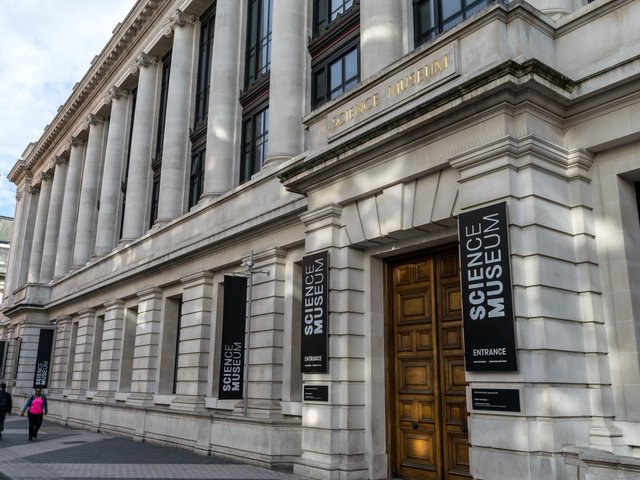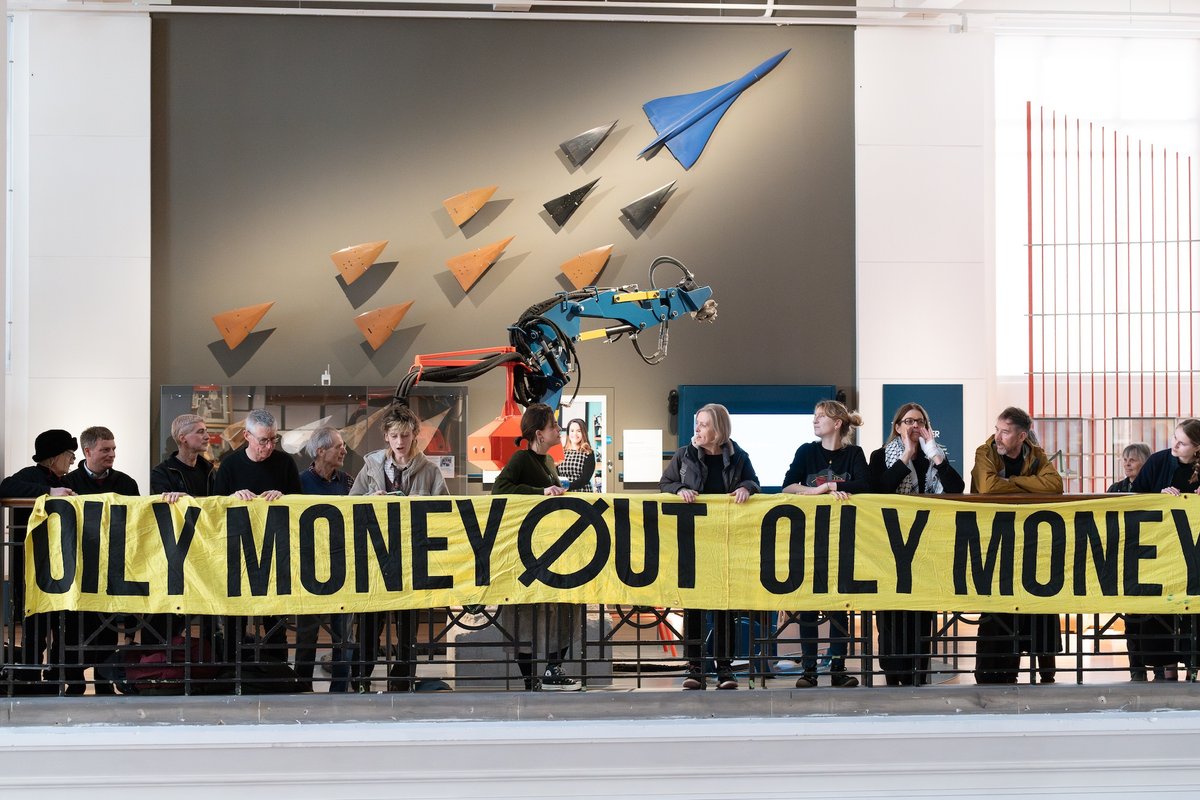
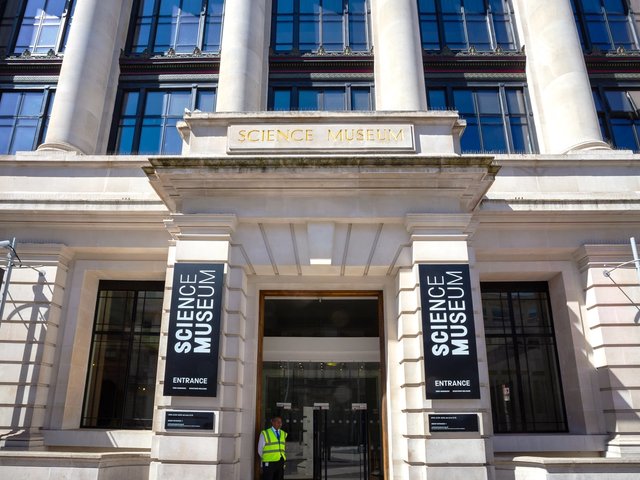
The Science Museum in London is ending its nearly 25-year relationship with BP following sustained pressure over its links to the oil and gas company.
The Science Museum Group (SMG), which oversees the Science Museum and five other organisations across England, confirmed on Friday (28 August) that its partnership with BP will draw to a close on 31 August “at the end of its agreed term”. The partnership comprised BP sponsorship of the museum’s training academy, and was the latest in a series of sponsorship arrangements between BP and the Science Museum Group stretching back a quarter of a century.
An SMG spokesperson said that “while sponsorship terms and amounts are commercially sensitive”, reports suggesting that the academy agreement was a ten-year deal and had been expected to run until 2028 were inaccurate.
BP’s historical relationship with the museum has also included sponsorship of its former Energy Gallery and the 2015 exhibition Cosmonauts: Birth of the Space Age.
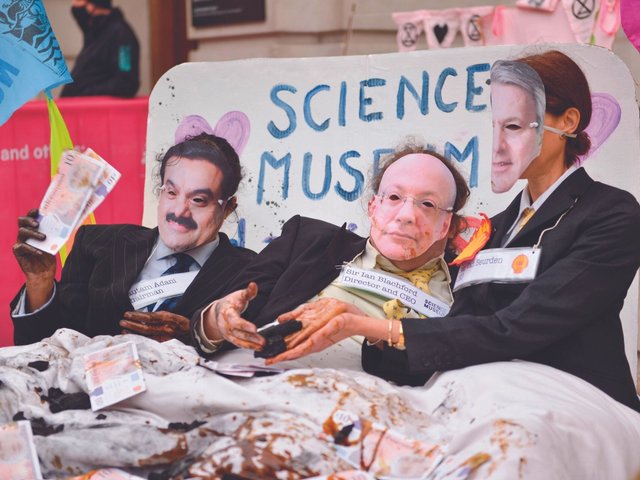
The end of the academy partnership follows years of criticism of the museum’s relationships with fossil fuel companies. More recently, teachers have pledged to boycott school trips to the museum until it ends its partnerships with BP and Adani, with the campaign backed by the National Education Union (NEU).
Adani Green Energy sponsors the museum’s Energy Revolution gallery and is part of the wider Adani Group, the Indian conglomerate which is the world's largest private developer of coal mines.
Daniel Selwyn, a geography teacher and member of the NEU campaign supporting the boycott, says BP’s sponsorship had been a “shameful stain on its reputation for too long”.
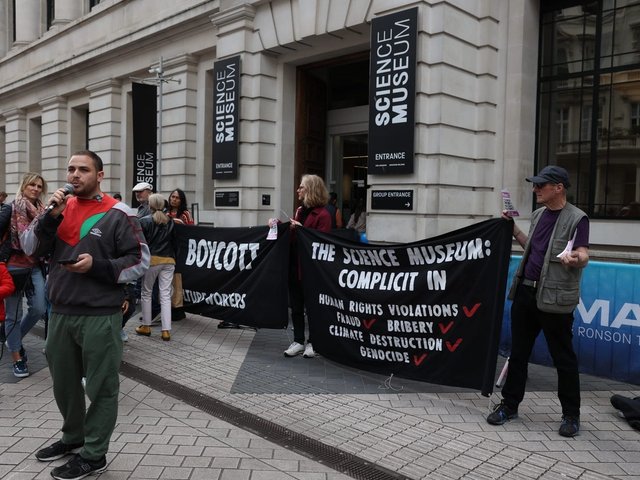
“This victory has only happened because of the persistent and principled resistance of students, teachers, scientists and the wider community,” Selwyn says. “This summer holiday from school has been defined by apocalyptic scenes of glacial collapses, droughts, heatwaves and wildfires. Evidently it has finally become untenable for the Science Museum to partner with one of the primary arsonists of the climate breakdown we are facing.”
Chris Garrard from the campaign group Culture Unstained also welcomed the announcement, saying the museum had “finally come to its senses”. “The Science Museum’s director passionately championed his partnership with the major polluter year after year,” Garrard adds, framing the end of the BP partnership as only a “partial victory” while the museum’s relationship with Adani continues.
The controversy over fossil fuel sponsorship has previously prompted high-profile departures at the Science Museum. In 2021, the mathematician and broadcaster Hannah Fry and the scientist Jo Foster resigned from SMG’s board of trustees following discussions over the decision to accept sponsorship from Adani Green Energy. The climate scientist and former Science Museum director Chris Rapley also resigned from the Science Museum Advisory Board over its willingness to accept oil and gas sponsorship.
The museum’s sustainability policy assesses sponsors’ progress towards the goals of the Paris Agreement. The international climate treaty, adopted in 2015, mandates that signatories commit to holding global warming to well below 2°C above pre-industrial levels while pursuing efforts to limit it to 1.5°C.
In 2024, the Science Museum was forced to end its sponsorship agreement with the Norwegian oil and gas company Equinor after internal correspondence showed that the fossil fuel company’s business plans failed to align with the Paris Agreement goals and therefore breached the museum’s climate benchmarks.
The end of the BP partnership also comes amid a wider shift in the museum sector. Last October, members of the Museums Association approved a new code of ethics that calls on museums to “transition away” from sponsorship by organisations involved in environmental harm, including fossil fuels, as well as human rights abuses.
Pressure will now remain on the Science Museum over its ongoing sponsorship agreement with Adani Green Energy.
The SMG cutting ties with BP leaves the British Museum as the only major UK cultural institution still sponsored by the oil and gas company. In 2023, it announced a £50m, ten-year partnership with BP to support the museum’s redevelopment programme, prompting protests and criticism from scientists and campaigners.